
Planning security for events requires careful consideration of multiple factors including venue size, expected attendance, type of event, and potential risks. This guide will help you understand the key elements of effective event security planning.
## Pre-Event Security Assessment
### Risk Analysis
- Identify potential threats and vulnerabilities
- Assess the venue's security features
- Review historical incident data
- Consider the nature of the event and attendees
### Capacity Planning
- Determine appropriate security personnel ratios
- Plan for different scenarios (normal, high-risk, emergency)
- Consider crowd control requirements
- Plan for VIP protection if needed
## Security Personnel Requirements
### Staffing Levels
- General security: 1 guard per 100-150 attendees
- High-risk events: 1 guard per 50-75 attendees
- VIP events: Additional specialized personnel
- Crowd control: Additional staff for large events
### Training Requirements
- Crowd management techniques
- Emergency response procedures
- Communication protocols
- Legal authority and limitations
## Technology and Equipment
### Surveillance Systems
- CCTV cameras with recording capabilities
- Real-time monitoring stations
- Mobile surveillance units for outdoor events
- Night vision capabilities for evening events
### Communication Systems
- Two-way radios for security personnel
- Emergency communication protocols
- Integration with local law enforcement
- Backup communication systems
## Access Control
### Entry Points
- Designated entry and exit points
- Bag checks and security screening
- Ticket validation systems
- VIP and staff access protocols
### Perimeter Security
- Fencing and barriers
- Security checkpoints
- Vehicle screening areas
- Restricted access zones
## Emergency Preparedness
### Response Plans
- Medical emergency procedures
- Evacuation plans and routes
- Communication with emergency services
- Crowd control during emergencies
### Coordination
- Liaison with local law enforcement
- Fire department coordination
- Medical service arrangements
- Transportation and traffic management
## Post-Event Analysis
### Incident Reporting
- Document all security incidents
- Analyze response effectiveness
- Identify areas for improvement
- Update security plans for future events
## Conclusion
Effective event security planning requires careful attention to detail, proper staffing, appropriate technology, and coordination with local authorities. By following these guidelines, you can ensure a safe and secure environment for all attendees.
October 17, 2025
2 min read
Event Security Planning Guide
A comprehensive guide to planning security for events of all sizes, from small gatherings to large festivals.
A
Security Professionals
Published 4 months ago
•
2 min read
Related Articles
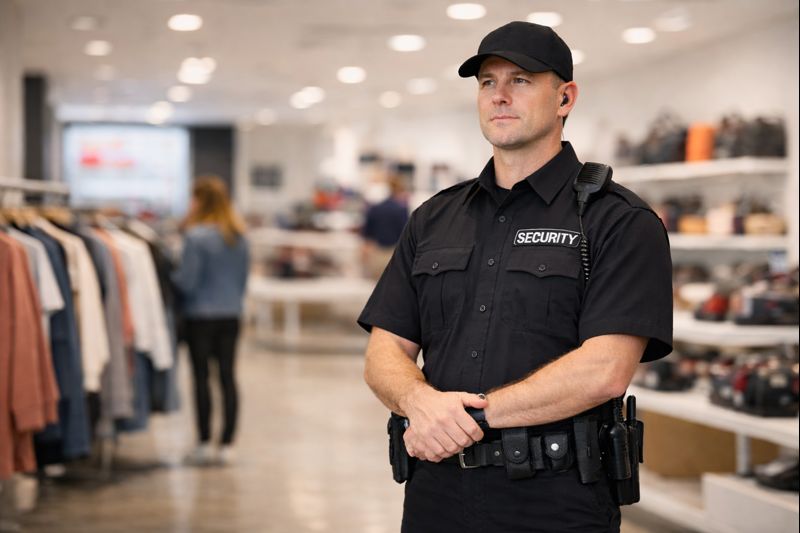
Dec 20, 2025
Why Retail Stores Need Professional Security Services
Retail stores face rising theft, safety risks, and liability concerns. Learn why hiring professional security is essential for protecting employees, customers, and inventory.
Read More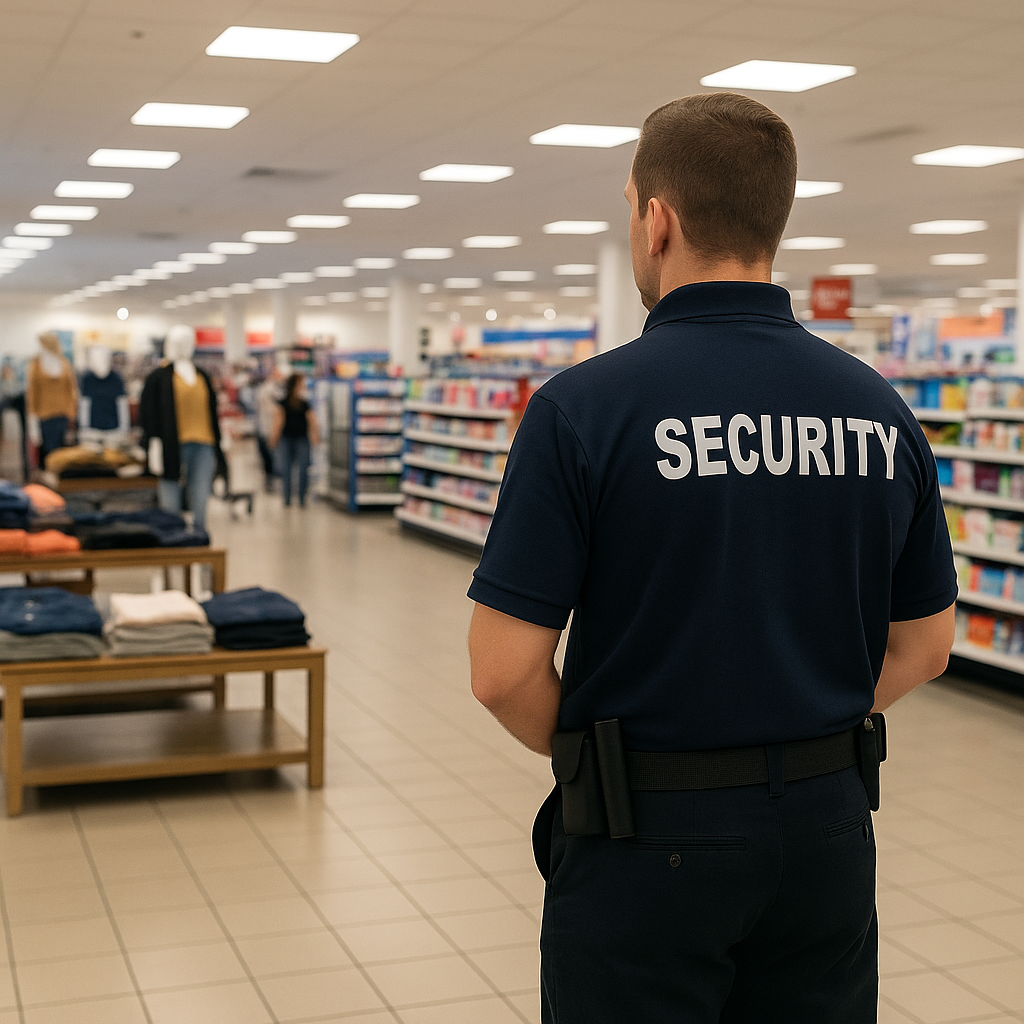

🔒 Ready to Get Started?
Need Professional Security?
Let's Secure Your Property Today!
Contact us today for professional, high-quality security services. Get a free consultation and customized security solution for your business or property.